Category: FYB

feed your brains channel

  • Grow your own food

    Grow your own food

    Why does Hydroponics works so well ?

    That’s simple. If you give a plant exactly what it needs, when it needs it, in the amount that it needs, the plant will be as healthy as is genetically possible. With hydroponics this is an easy task; in soil it is far more difficult. With hydroponics the plants are grown in a growing medium and a perfectly balanced, pH adjusted nutrient solution is delivered to the roots in a highly soluble form. This allows the plant to uptake its food with very little effort as opposed to soil where the roots must search out the nutrients and extract them. This is true even when using rich, organic soil and top of the line nutrients. The energy expended by the roots in this process is energy better spent on vegetative growth and fruit and flower production. Hydroponics saves lots of water in compare to soil, which is great for planet earth. Start Growing Today

    rocket_bigweb-400x250
    rocket-tub1
    paris-lettuce_bigweb

    Copyright @ Fatbars Limited 2026

  • The Basil are Back !

    The Basil are Back !

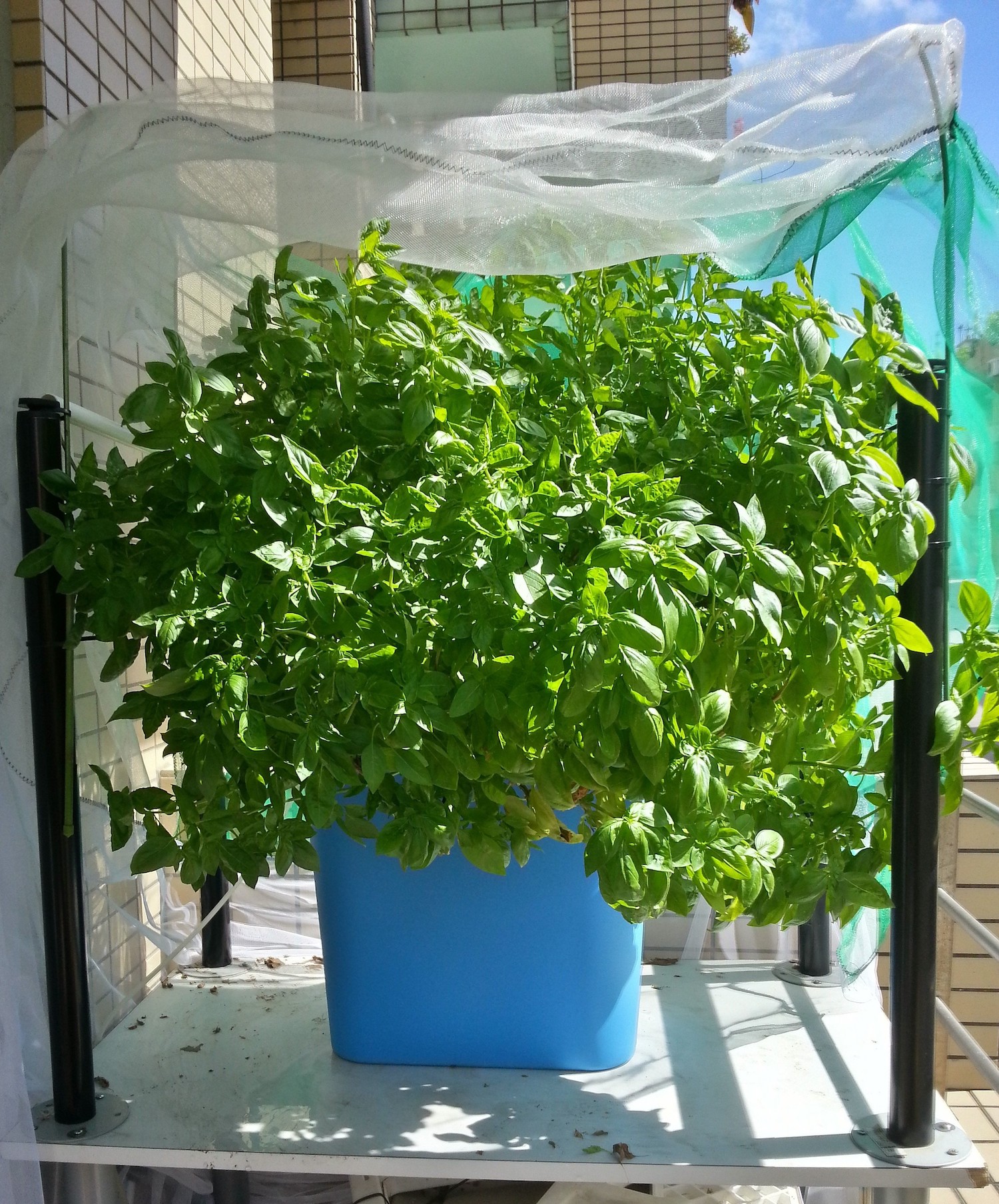
    What We Grew. My last Basil was attacked by bugs. I have to wipe all of them out. Now I have a new batch. Outdoor, Hydroponic and Bug net ! This one is the size of the table. If you grow outdoor, remember to put your bug net up first before putting the plant in. The weather has been warm , so remember to check your water level. Basil drinks lots of water when they grow.

    big-basil
  • Simple Cloning that works

    Simple Cloning that works

    cloning_bigweb

    Cloning Tips
    When our basil was attacked by caterpillars, we immediately decided to clone the basil that has given us many years of good harvest. One of the easiest way to extend the life of your plants is to clone. Here is what you will need :

    Plant cuttings with at least four good size leaves. Leave a longer stalk for the roots to grow.
    Put an air stone at the bottom to give aerate the water. (This really speed things up.) You can buy air stone in any fish aquarium shops.
    Put a few units of root growth nutrients.
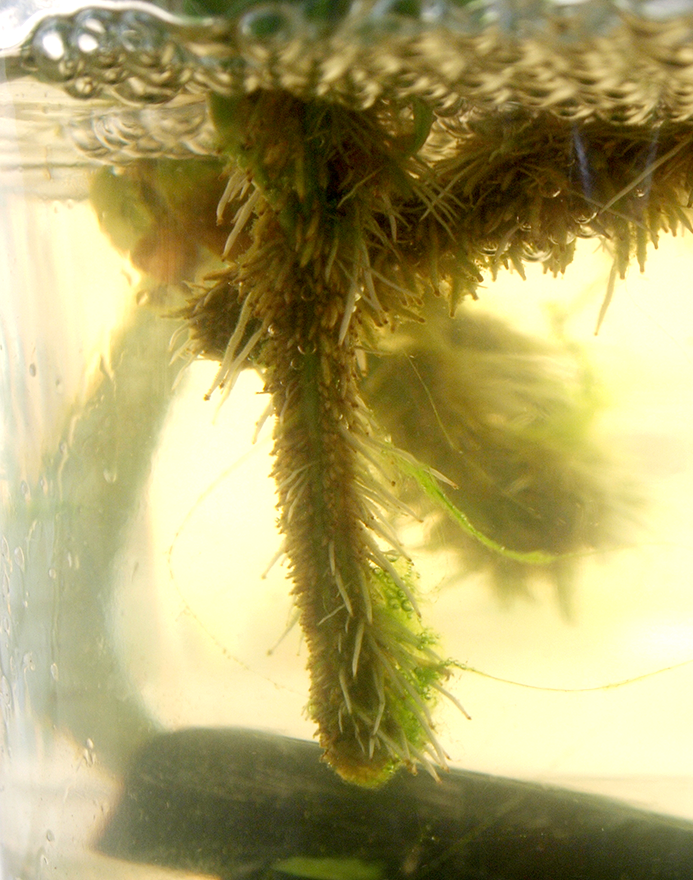
    Roots should be coming out in a week or two. After that, you can plant the clone in soil or in water.
    Click through the photos below to see the different stages of the clones.

    clone_start
    clone_one-week
    clone_two-week
    clone_roots

    Copyright @ Fatbars Limited 2026

  • Rocket salad tub outdoor Grew

    Rocket salad tub outdoor Grew

    rocket_tub_bigweb

    How We Got Started

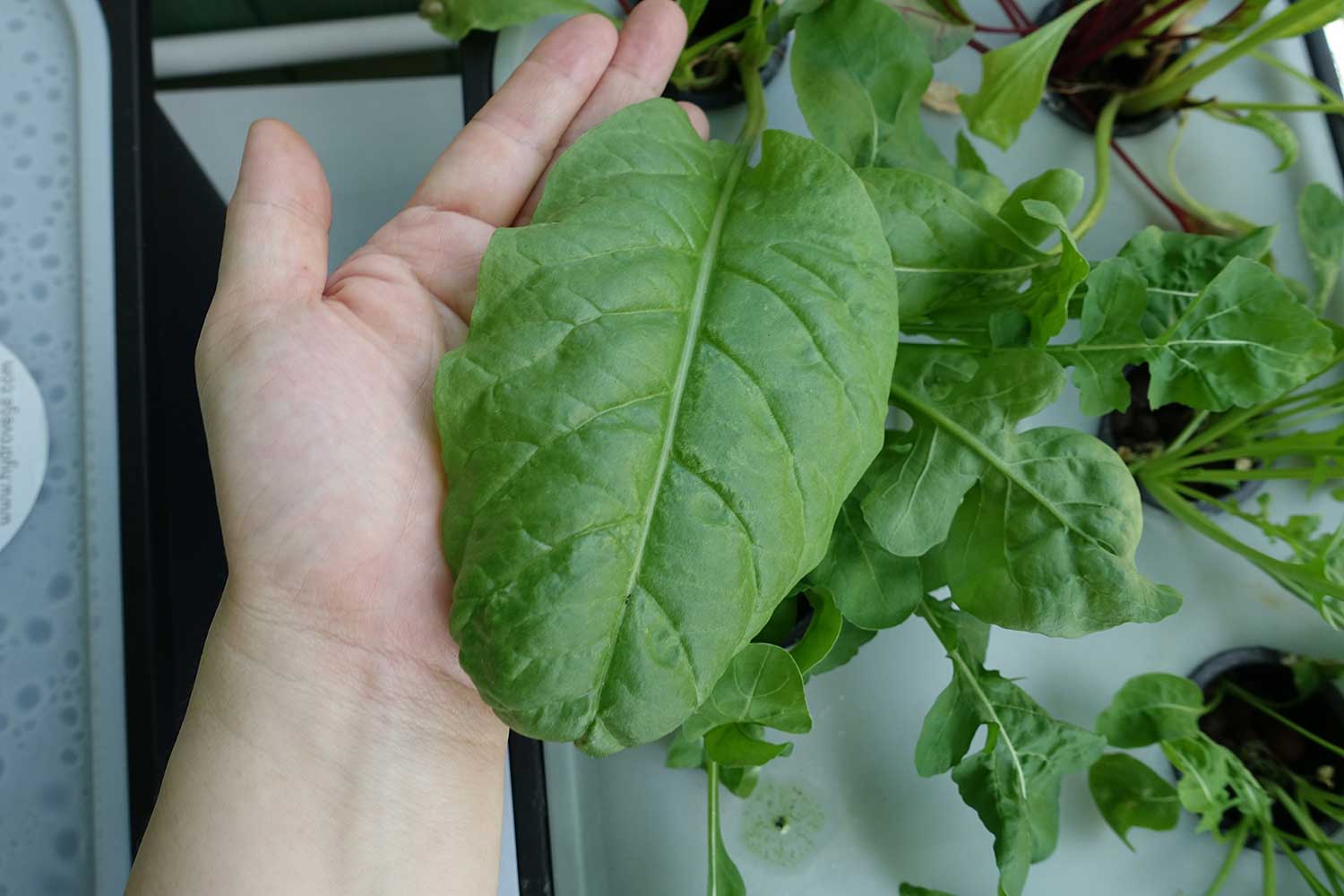
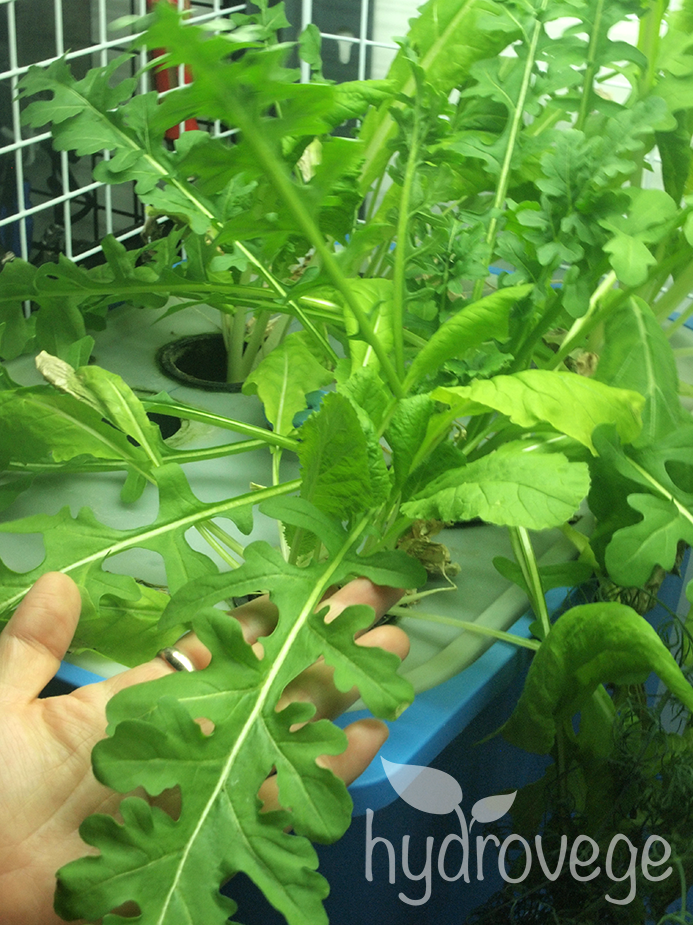
    Why is rocket salad so expensive in Hong Kong? We managed to grow some out of our trofast bucket outdoor. The bugs does not seem to care too much about the rocket strong and bitter taste. No bugs so far. It grew as big as my palm. Time to harvest.

    rocket-tub1
    rocket-tub2
    rocket-tub3

    Copyright @ Fatbars Limited 2026

  • Paris lettuce from Denton, Texas

    Paris lettuce from Denton, Texas

    paris-lettuce_bigweb

    What We Grew
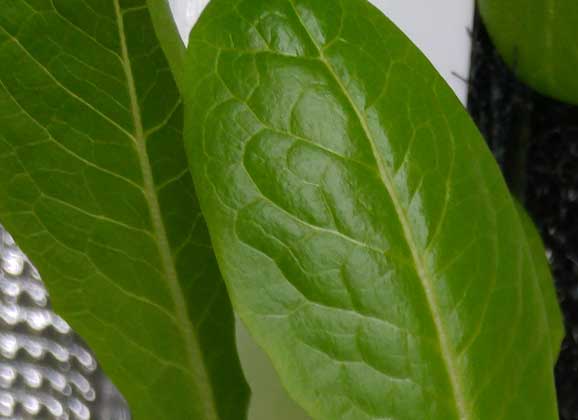
    Not all seeds comes in a nice printed package. We were at Denton Texas, where we visited a local farm store : Dennis Farm Store. In the store, the seeds are all in plastic contaner, and you just spoon the seeds into a bag, write the name down and pay at the counter. We wasn’t sure if it will grow. But it did, right here in Hong Kong. Check it out.

    paris_lettuce1
    paris_lettuce2
    paris_lettuce3

    Copyright @ Fatbars Limited 2026

  • LED Grow light experiment

    LED Grow light experiment

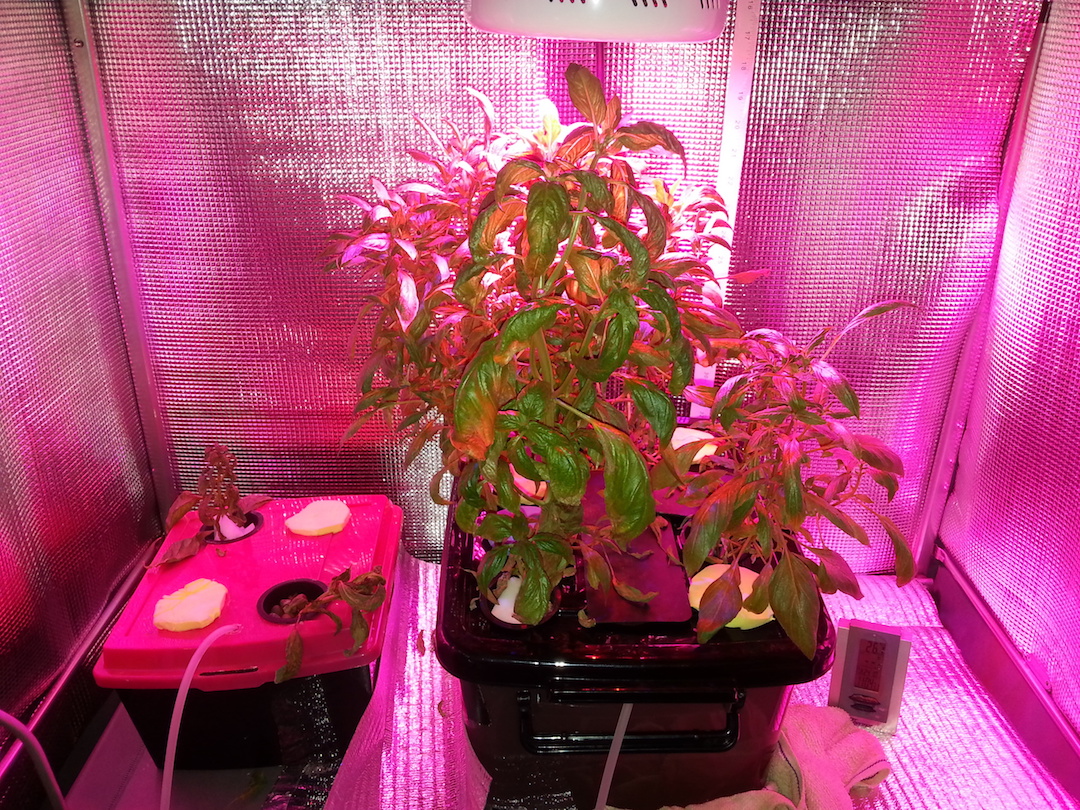
    I got to experiment with LED Grow light at home. Plant: Thai Basil and Italian Basil. 5 Weeks from transplanted cuttings.

    Happy LED ! Got a loaner LED Grow light from a local Maker Group ( Dim Sum lab ). Dim Sum Lab is a Hong kong base Maker Group. They are really cool, 3D printing, wood working, arduino hacking programming you name it they got it. One of the fellow Dim Sum Lab regular has a LED Grow Light and I manage to loan it.

    The result is actually quite good (Check out the pics). The first problem that I need to tackle is LED Grow light is know to have a restricted cone area for growing. This is especially true since I only have one light to test with. I knew the grow area must be enclosed in a grow tent or box. Locally in Hong Kong there is no Hydro shop to buy any tent or box.

    So, I build one. Found a cheap fibre clothing closet made out of metal frame with non woven fibre cloth. The next hard thing to find is the Mylar reflective material. Luckily, I found reflective silver/mirror mylar laminated cabinet liner for sale locally at japanese supermarket/department store. I got all my material. Setup the whole thing out in an afternoon and started the experiment. I have two plant in my grow tub. I am doing Deep Water Culture . Nutrient + Air Stone 24/7. The LED light is set on timer for 16hrs on per day. The first thing that I notice is the LED Light is so much cooler then my T-5 grow light set up. So temperature is actually lower. That is good. Second is the light is really bright since there are only RED and Blue light the whole cabinet emit a purple glow.

    So the pictures are the end result. I can say it works for what I tried out. Also, I notice I do not have any problem with white flies and aphids. Maybe the insect do not like the light spectrum but I do not know for sure. The plants that I am growing with T-5 are suffering from Aphids and White Flies. They are a pain on the butt.

    I think I will try to grow more under LED Grow Light. The only problem is cost. LED Grow Light currently runs into hundreds or even to thousands of dollars per unit. There is offset cost of using less power and less cooling cost but for someone trying out Hydroponics LED Grow Light might not be the first light to try out. T-5 tubes is cheap and available locally. LED Grow Light for sure is the future of indoor growing and maybe you will be growing with LED too. Let grow some more food. I am hungry !

    LED_plant-1

    Copyright @ Fatbars Limited 2026

  • Know your nutrients number

    Know your nutrients number

    Good to Know
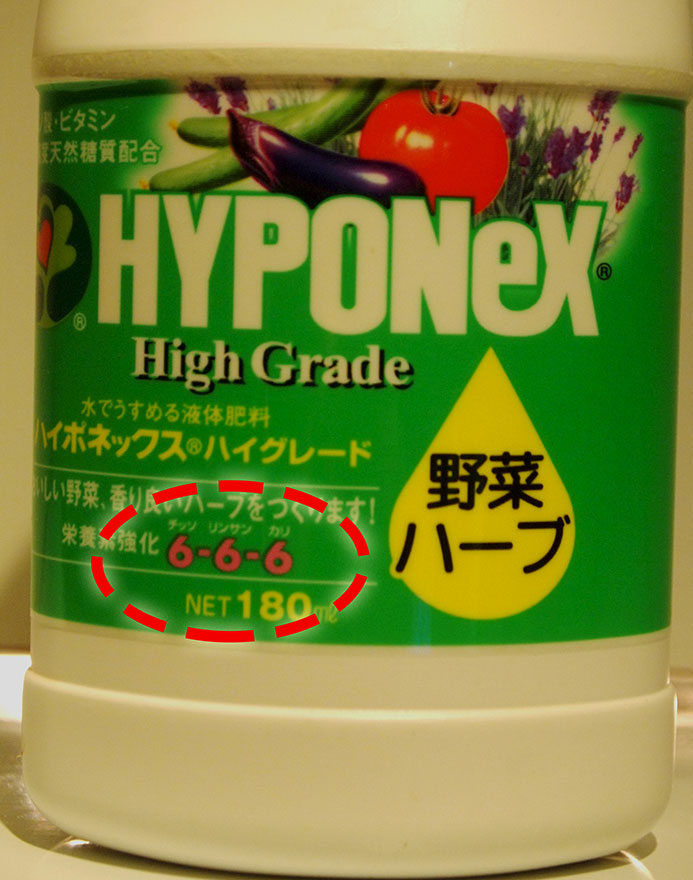
    Based in Hong Kong, the first place you would think is to go down to Flower Street in Mongkok to get nutrients for your plants. When you are selecting nutrients for your soil or hydroponics, you will see a series of numbers in front of the nutrients. What do they mean and how do they work for your plants and flowers?

    Whether organic or synthetic, the key ingredients in fertilizers are nitrogen, phosphorus and potassium, usually referred as NPK. These are the primary macro nutrients, found in any fertilizer. However, their concentration can vary considerably from one fertilizer to another. The concentration of these three main components of fertilizers are expressed as, three numbers printed on the label of a particular fertilizer. For example, if a fertilizer is labeled as 10-5-5, then it contains 10% nitrogen, 5% phosphorus and 5% potassium.

    Nitrogen (N)

    Nitrogen is one of the vital nutrients, required for rapid growth of plants, growth of foliage and fruits. Plants synthesize proteins from nitrogen and they also need this nutrient to develop seeds. Plants generally, assimilate nitrogen in the form of nitrate, ammonium, organic nitrogen or molecular nitrogen. Though nitrogen is vital for healthy growth of plants, an excess of it can result in overgrowth, which can make the plants weak and vulnerable to diseases and insects. Therefore, nitrogen rich fertilizers are usually applied, when the plant establishes itself.

    Phosphate (P)

    Plants require sufficient amounts of phosphorus for blooming and fruit production. Phosphorus is also required for growing strong roots, resistant to rot diseases, and to store energy in the form of adenosine diphosphate (ADP) and adenosine triphosphate (ATP). Fertilizers containing phosphate is usually applied on the soil before planting, and continued until the plant establishes itself.

    Potassium (K)

    Potassium is mainly required for strengthening the plants. A deficiency of this macro nutrient can result in stunted growth and reduced yields. Phosphorus can stimulate early growth in plants, by increasing protein production, and increase their resistance to diseases and insect damage. Potassium rich fertilizers are typically used before or during the winter period. However, it should be kept in mind that, an overuse of potassium rich fertilizers can kill the plants.

    Hope this article help you as much as us, though the confusion of numbers. Now you can get the right numbers for the your plants and flowers. Enjoy

    nut (1)

    Copyright @ Fatbars Limited 2026

  • iKea Tub of Rocket

    iKea Tub of Rocket

    rocket_tub

    iKea Tips
    Yes that is an ikea blue tub. Growing some Rocket for the salad bowl. You can do this too. The blue tub is from ikea TROFAST series. Simply cut a few holes to hold up the net cups and the roots will grow towards the water. Inside the tub is a water pump that will pump oxygen into the water. This helps the plants grow. Check it out.

    Copyright @ Fatbars Limited 2026

  • Hydroponic tower ver 0.1

    Hydroponic tower ver 0.1

    tower1

    How We Got Started
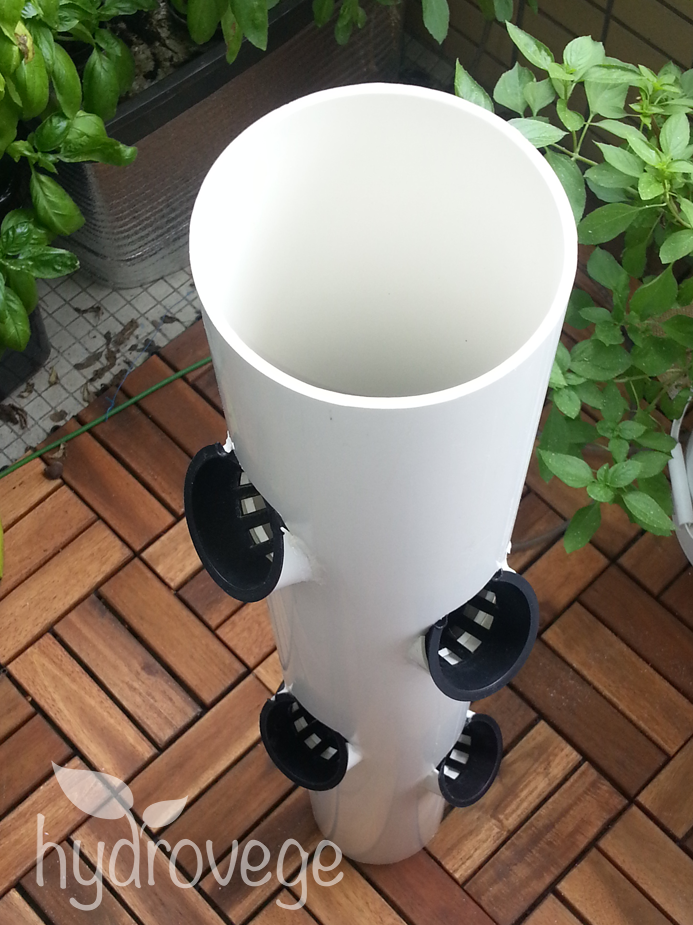
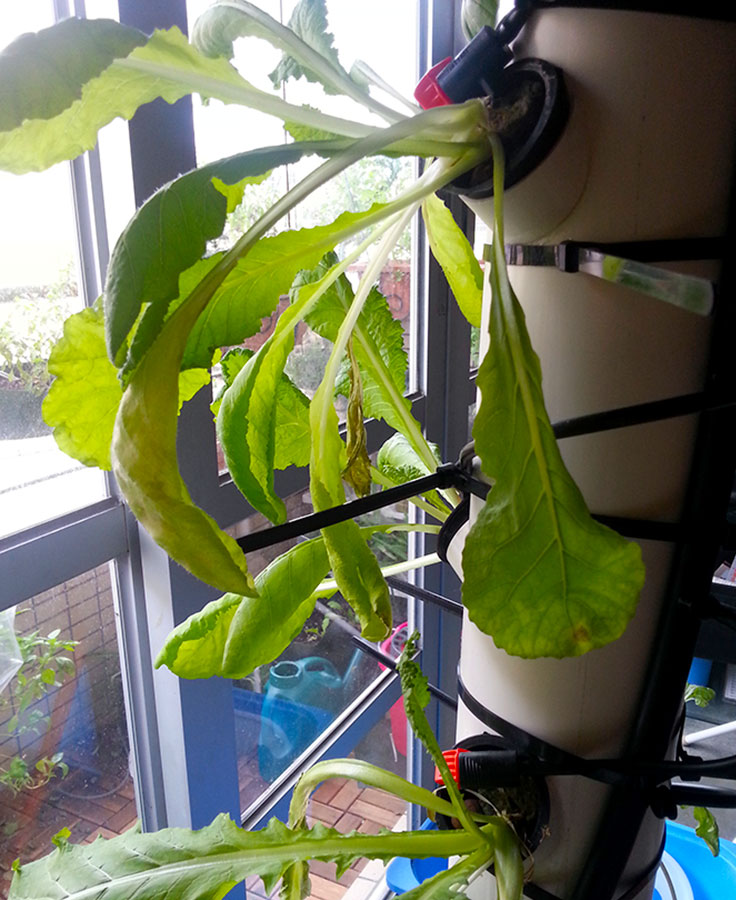
    This is our first attempt of a indoor hydroponic grow tower for use in Hong Kong. Pvc pipes, Blue barrel, hose, water pump and funnel.

    tower4
    tower2
    tower3

    Copyright @ Fatbars Limited 2026

  • Hydroponic tower ver 0.2

    Hydroponic tower ver 0.2

    How We Got Started. This is my version 0.2 tower that I build. Testing it out now.

    feature3

    Copyright @ Fatbars Limited 2026